

Allied health professionals representing country WA in Allied Health Awards
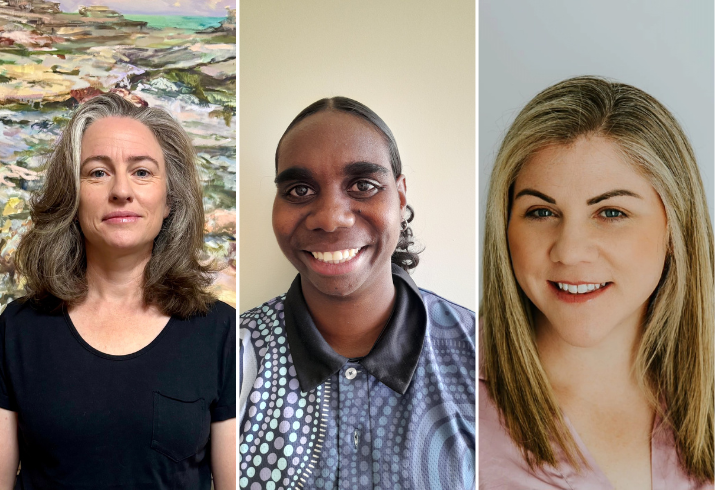 (L-R) Allison Wark, Anne Clarke, Lauren Irvine
We are excited to announce that three amazing WA Country Health Service allied health professionals have been named as finalists in this year’s WA Excellence in Allied Health Awards.
Across country WA our close to 1,000 strong allied health workforce collaborate as part multidisciplinary teams to deliver exceptional and compassionate patient-centred and on-Country care to WA country community members, no matter where they live.
Congratulations to:
- (Aboriginal Allied Health Award) Anne Clarke Allied Health Assistant
- (Allied Health Educator of the Year) Lauren Irvine Occupational Therapist – Accredited Hand Therapist
- (Allied Health Leader of the Year) Allison Wark Allied Health Manager – Kimberley
Director Allied Health Suzanne Spitz said she was not surprised that WA Country Health Service was once again well represented at the awards.
“We know that our allied health professionals and allied health assistants are out – on-the-ground – every day, helping to ensure people living across country WA have the continuity of care they need to live well,” Suzanne said.
“Being named as finalists is a testament to the compassion, dedication and skill Anne, Lauren and Allison bring to their work and the positive impact they are having on the health and wellbeing of country communities.
Award winners will be announced Wednesday 14 October at a gala evening at the Western Australian Cricket Association (WACA) Ground.
For a full list of finalists, visit the WA Excellence in Allied Health Awards webpage.
Working in allied health and looking for a change of scenery – check out the WA Country Health Service ‘Work with us’ allied health webpage.
Meet our finalists
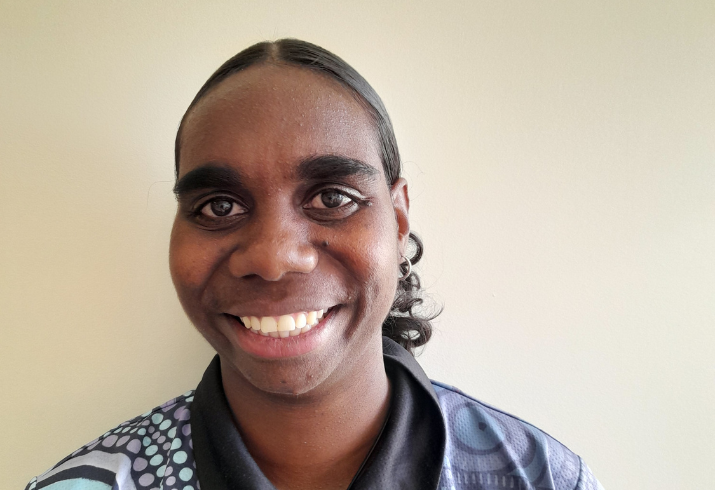
Allied Health Assistant Anne Clarke
What drew you to a career in allied health?
I worked as an Aboriginal allied health assistant at the Ord Valley Aboriginal Health Service when I was at school and enjoyed working in health.
What do you find most rewarding about your role?
When I can make difference to families during their healthcare journey.
As an allied health assistant, a big part of my role is making sure community members have what they need for their treatment.
This could include dropping off a walker or wheelchair to an Aboriginal Elder in a remote community, visiting people in their homes to drop off supplements from their dietitians or making sure patients have the correct equipment, such as mobility aids, in their homes to help them to continue to live independently.
How has your own cultural identity shaped the way you approach patient care and community engagement?
As a Miriwoong woman from the East Kimberley, families are comfortable seeing me and I can communicate with them to help them understand.
We know that representation matters. What impact do you hope your work and this recognition will have on other Aboriginal people considering a career in allied health?
I hope that when families see me work, it might inspire them to work in health and make a difference to the community.
What does being named a finalist mean to you?
It’s nice to be recognised for the work I do and I’m very excited to attend the awards night! My sister’s graduation is around the same time and also in Perth, so I might look at taking a little holiday.
Occupational Therapist Jayden Pearce tells us what makes Anne so special
What makes Anne an outstanding Aboriginal allied health professional, and what impact has she had on Aboriginal patients, families, and communities?
Anne is an outstanding Aboriginal allied health professional because she combines exceptional clinical skills with deep cultural knowledge, compassion and a genuine commitment to improving outcomes for Aboriginal people.
She builds trusting and respectful relationships with patients, families, and communities, helping people feel safe, heard and understood throughout their healthcare journey.
Anne consistently advocates for her clients, works alongside families to identify meaningful goals, and ensures cultural considerations remain central to service delivery.
Her ability to engage families who may otherwise be difficult to reach has improved access to care and strengthened connections between communities and health services.
Through her work, she has supported improved health outcomes, increased participation in therapy and healthcare services, and helped empower Aboriginal people to make informed decisions about their health and wellbeing.
What is something we could all learn from Anne?
We could all learn from Anne's ability to lead with respect, humility and genuine connection.
She takes the time to listen, understand each person's story and build relationships before focusing on outcomes.
Anne reminds us that effective healthcare is not just about clinical knowledge, but about trust, cultural safety, advocacy, and working in partnership with patients, families and communities.
Her unwavering commitment to people and her ability to make everyone feel valued is something all health professionals can aspire to.
Occupational Therapist Accredited Hand Therapist - Lauren Irvine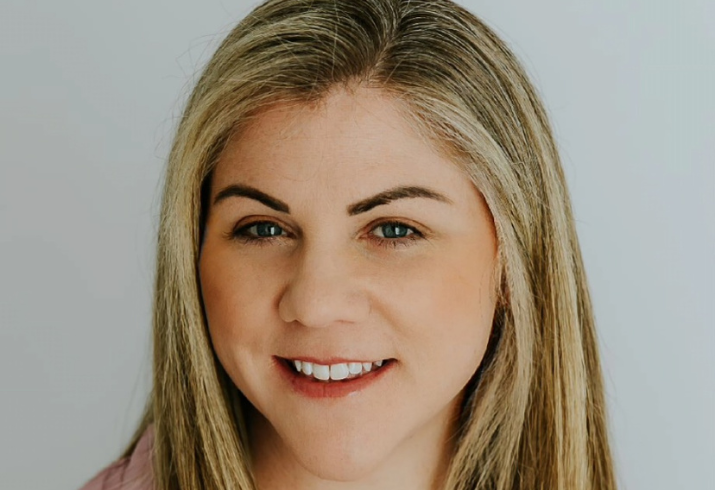
What drew you to a career in allied health and what inspired you to become an allied health educator?
I was drawn to Occupational Therapy, and particularly hand therapy, because it brings together science, art, psychology and problem-solving.
OT is an incredible profession, with such a broad range of skills and areas of specialisation, but ultimately it is about helping people achieve goals that enhance their quality of life.
My passion for education grew from working in rural health and seeing the challenges clinicians can face in accessing specialist training and support.
I have also been incredibly fortunate to have mentors and leaders around me who have encouraged me, challenged me and given me the push to pursue opportunities I may not otherwise have taken.
What do you find most rewarding about your role?
The most rewarding part is seeing the ripple effect of education. When you build the knowledge and confidence of one clinician, that can positively influence the care of many patients over their career.
Through our virtual hand therapy education program, we have connected and upskilled clinicians across country WA, in metropolitan areas, and are now trialling the program interstate.
What does being named a finalist mean to you?
Being recognised as a finalist is an enormous honour, particularly because education has become such an important part of what I value in my career.
I also see the recognition as being much bigger than one person. I have been incredibly fortunate to have the support of OT Professional Lead Anne Herbert, whose guidance and mentoring have been integral to the program’s development, helping shape everything from participant selection and evaluation to the practicalities of implementing the program across WACHS.
For me, being a finalist reinforces that education is an investment in our workforce, our services and ultimately our patients.
Looking ahead, what changes or innovations do you believe will shape allied health education in Western Australia over the next few years?
Technology gives us an extraordinary opportunity to rethink how we educate and support the rural allied health workforce. Historically, distance could limit access to specialist education, mentoring and professional networks.
Virtual education, telehealth, simulation and digital resources are helping break down many of those barriers. Looking ahead, I think the real innovation is how we combine technology with human connection.
We need to build strong clinical networks, mentoring opportunities and communities of practice where knowledge and expertise can be shared.
WA Country Health Service is already demonstrating what is possible through a digitally connected, capable workforce and new ways of working – we have an incredible opportunity to build a highly skilled, connected rural allied health workforce for the future.
Acting Professiona
l Lead Occupational Therapy Anne Herbert tells us what makes Lauren so special -
What sets Lauren apart as an educator, and how has she contributed to developing the capability and confidence of WACHS allied health staff?
Lauren stands out as an educator through her ability to create psychologically safe learning environments where clinicians feel comfortable asking questions, sharing experiences and building confidence.
Her passion for educating rural and remote clinicians drives her commitment to ensuring all staff have access to high-quality learning opportunities, regardless of location. Through this supportive approach, she has strengthened capability and reduced professional isolation across WACHS.
What is something we could all learn from Lauren?
We could all learn from Lauren's ability to turn a recognised need into a sustainable solution that benefits others. She demonstrates that leadership is about sharing knowledge, empowering colleagues and creating opportunities for growth.
Her vision, persistence and commitment to supporting others have helped strengthen the capability of the rural allied health workforce and helped improved care for country communities.
Allied Health Manager Kimberley - Allison (Ally) Wark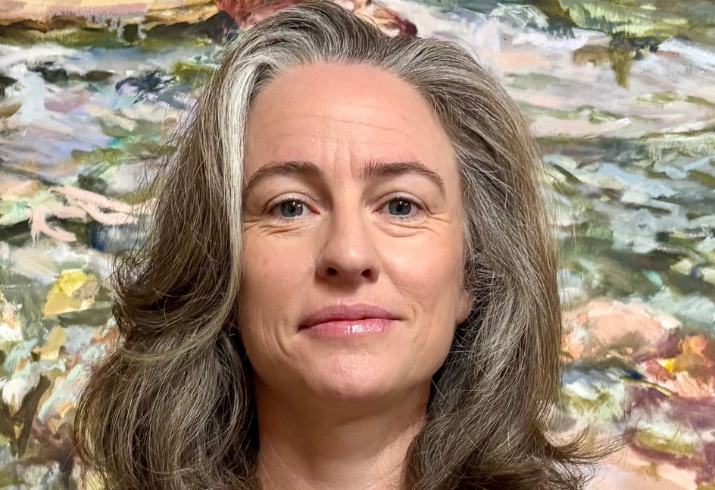
What drew you to a career in allied health?
I’ve always been drawn to working in health, and physiotherapy felt like a meaningful way to make a tangible difference in people’s lives.
Growing up in regional NSW shaped my understanding of rural communities and the importance of accessible, person‑centred care.
Allied Health offered the perfect blend of clinical problem‑solving, human connection and practical impact. I moved to WA in 2007 out of curiosity, and by 2009 I had found my place with WA Country Health Service. I have since built a career across the Kimberley that has been both challenging and deeply rewarding.
What do you find most rewarding about your role?
I value the variety, challenge and autonomy that come with rural and remote practice. The most rewarding aspect is seeing the genuine and lasting impact our work has on individuals, families and communities.
Working in the Kimberley has taught me the importance of culture and community, the valuable practice of deep listening and collaboration, and it has encouraged me to be innovative because the context requires it.
As I’ve moved into leadership roles, I’ve found great satisfaction in using my experience to remove system‑driven barriers and shape services around what communities need.
Supporting clinicians to grow – and learning from their creativity and commitment – continues to be one of the most fulfilling parts of my work. It is a privilege to contribute to safe, high‑quality care in remote settings.
What does being named a finalist mean to you?
It is a genuine honour, and it reflects the dedication of the broader Kimberley Allied Health team, with my role to guide, support and create the conditions for safe, high‑quality care.
Being recognised as a finalist highlights the skill, innovation and genuine care of our rural and remote workforce. It is deeply meaningful to see the Kimberley’s contributions acknowledged at a statewide level and to shine a light on the collaborative practice that underpins our work across WA Country Health Service.
What is an achievement you are particularly proud of as a leader, and what impact has it had beyond your immediate team or service?
I am particularly proud of the sustainable, scalable service models we have developed - such as the high‑risk foot podiatry hub‑and‑spoke model, the TeleFEES partnership with Royal Perth Hospital and the region‑wide paediatric General Movements Assessment pathways.
These initiatives have strengthened governance, improved access for remote communities and influenced practice beyond the Kimberley, contributing to statewide collaboration and capability building.
For me, the real achievement lies in demonstrating how rural innovation can drive system‑level improvement. It begins with listening – to the staff who deliver care every day and to the communities we serve – and allowing those insights to guide how we design and deliver services.
Senior Physiotherapist Hannah Jackson tells us what makes Ally so special -
What leadership qualities make Allison deserving of this recognition, and how have these qualities influenced her team?
Ally is an incredible leader because she genuinely cares about her staff and makes everyone feel included in decision-making.
Rather than simply instructing people, she is excellent at coaching and guiding staff to work through challenges and develop solutions themselves, which builds confidence and capability across the team.
She is incredibly calm, approachable, fair and always takes the time to listen, ensuring people feel heard and supported. Despite managing a large and complex service across the Kimberley, she somehow balances an amazing attention to detail with a strong focus on staff wellbeing.
She consistently follows policy and procedures, advocates for her team, and ensures decisions are made thoughtfully and transparently.
What stands out most is that, even with a busy travel schedule and significant management responsibilities, she still makes time for every staff member. She never seems flustered and always makes you feel like she has time to listen to you.
Her leadership has created a positive, supportive culture where people feel valued, respected and empowered to do their best work.
What is something we could all learn from Allison?
Something we could all learn from Ally is how to lead with both empathy and accountability. She has an incredible ability to make people feel heard and valued while keeping a strong focus on outcomes, quality and doing things the right way.
She's also a great example of how coaching can be more powerful than directing. Rather than providing all the answers, Ally asks questions, encourages people to think through challenges and supports them to find solutions themselves. This helps build confidence, capability and ownership within the team.
I think we could all learn from the way she balances the demands of a large, complex role with genuine care for her staff. Despite constant competing priorities and regular travel across the Kimberley, she still makes time for people, pays attention to the details and ensures everyone feels included in decisions.
It's a rare combination of strong leadership, authenticity and compassion.