

Leading with culture, care and connection
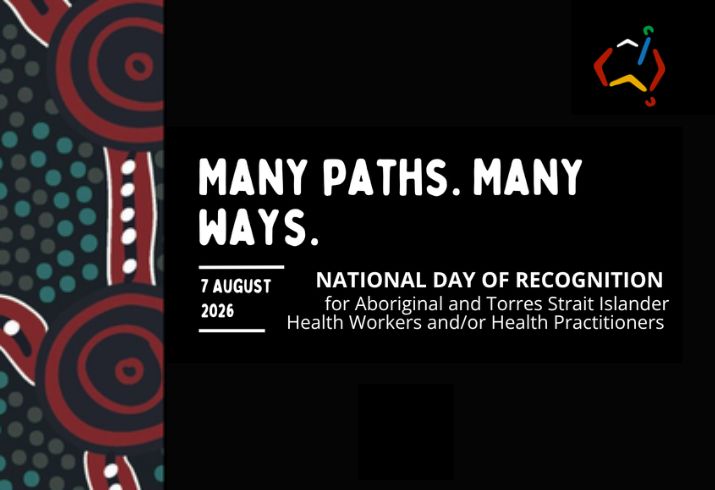
The National Day of Recognition for Aboriginal and/or Torres Strait Islander Health Workers and Practitioners (7 August) celebrates and acknowledges the achievements, dedication and contribution of Aboriginal Health Workers and Health Practitioners in advocating for, and providing equitable healthcare to, Aboriginal people and their communities.
Led by the National Association of Aboriginal and Torres Strait Islander Health Workers and Practitioners (NAATSIHWP), the day provides an important opportunity for the health sector and broader country WA community to recognise the important role these professionals play in delivering culturally safe, respectful and responsive healthcare close to home, family, community, and on Country.
This year’s theme ‘Many Paths. Many Ways’ symbolises the different journeys people take that ultimately bring them into healthcare professions, the unique paths they follow throughout their careers, and the many ways they make a difference in their communities.
A highly specialised workforce
Aboriginal Health Workers and Health Practitioners are a highly specialised, nationally recognised workforce, bringing local knowledge, cultural insight and compassionate care that provide trusted connections between communities and health services.
The workforce has a long history – with records from the Northern Territory dating back to 1870 – and was established by Aboriginal people for Aboriginal people, in response to the need for accessible and culturally safe healthcare.
As members of the communities they serve, they bring an understanding of local cultures, languages and community priorities, and help improve equitable access to healthcare services for Aboriginal people, who can often experience barriers, such as lack of trust and difficulties navigating services.
Director Aboriginal Health Strategy Russell Simpson said Aboriginal Health Workers and Health Practitioners are a fundamental component in rural and remote healthcare delivery and help us to work towards reducing health disparities for Aboriginal people and their communities.
“We know that across country WA we have more than 200 diverse Aboriginal communities – each with unique healthcare needs – that cannot be addressed with a ‘one-size-fits-all’ approach,” Mr Simpson said.
“Every community has its own history, culture, priorities and ways of connecting.
“Aboriginal Health Workers and Health Practitioners understand these differences and bring something to the table that clinical pathways often can’t provide – local knowledge, cultural understanding and trusted relationships within their communities.
“They help make Aboriginal people feel seen, heard, respected and safe – all of which you need for effective and equitable healthcare that is delivered close to home, family, community and on Country.”
Today we thank Aboriginal Health Workers and Health Practitioners for their vital role as trusted bridges between communities and healthcare services, and we extend appreciation to all Aboriginal employees across our organisation.
Their leadership, commitment and compassion help to strengthen how we deliver healthcare services that are respectful, responsive and centred on the unique needs of the communities we serve.
Celebrating our staff
We encourage everyone to take time to read about some of our amazing former and current Aboriginal staff, who have dedicated their careers to making a difference.
Their stories highlight the strength, diversity and leadership that underpin this year's theme of ‘Many Paths. Many Ways’.
Congratulations to our own Pilbara-based Aboriginal Health Practitioner Sharon Lockyer, who’s been awarded a prestigious scholarship to undertake a Diploma in Indigenous Research.
An integral part of the Bunbury Regional Hospital team, Aboriginal Mental Health Coordinator Lisa Collard brings a wealth of lived experience to her work.
Across WA Country Health Service, there are many individuals whose work quietly - but profoundly - shapes the organisation and how staff care for country communities. Today, the health service recognises one of those people – Katie Papertalk – who will soon retire from her role as Aboriginal Mental Health Coordinator in the Pilbara.
WA Country Health Service Aboriginal Mental Health Coordinator for the Kimberley region, Vernon Dann, has taken out the Mental Health Employee Excellence category at the 2025 WA Mental Health Awards.